From 1819 pharmacy dispensers to AI-powered touchscreen mixers — the definitive guide to the carbonated drinks that shaped American culture.
Two centuries of bubbles, syrup, and cultural revolution — from pharmacy counters to fast-food empires.
Carbonated water is first dispensed at a pharmacy counter. Pharmacists market fizzy water as a health tonic.
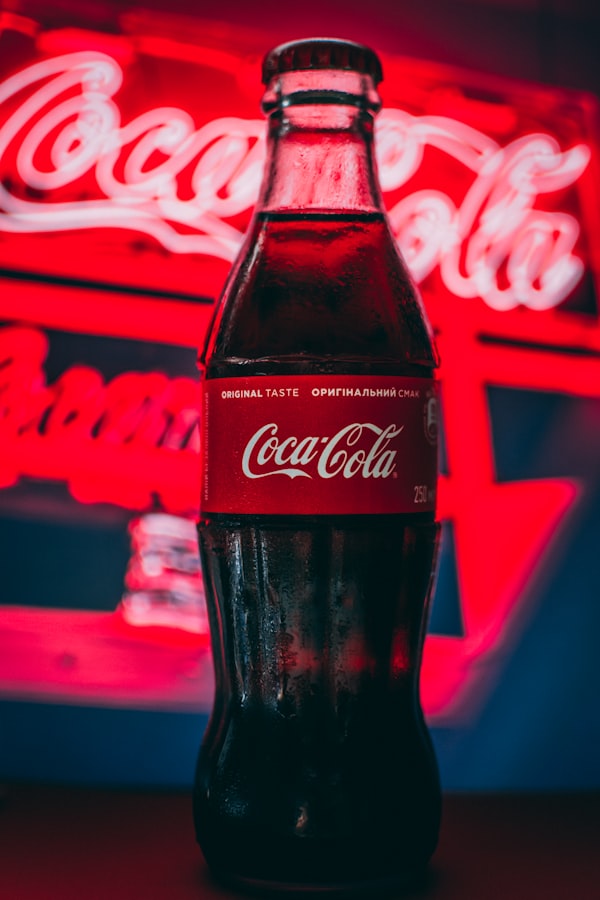
Dr. John Pemberton invents Coca-Cola at Jacob's Pharmacy soda fountain in Atlanta. Price: five cents a glass.
Caleb Bradham creates "Brad's Drink" at his North Carolina pharmacy. Renamed Pepsi-Cola in 1898.
Drugstore soda fountains become America's social centers. "Soda jerks" serve phosphates, egg creams, and ice cream sodas.
McDonald's, Burger King, and chains install fountain dispensers. Soda becomes a grab-and-go commodity.
Coca-Cola and Pepsi wage all-out war for fountain dominance. Exclusive contracts become billion-dollar battlegrounds.
Coca-Cola reformulates its century-old recipe. "Classic" returns 79 days later after fierce public backlash.
The revolutionary touchscreen fountain debuts — 100+ flavors from one machine using micro-dosing cartridge technology.
Pepsi launches its own touchscreen mixer with ~60 flavors. Less widely deployed but brings competition.
App integration, AI recommendations, contactless dispensing, and billions of data points from every pour.
From chrome-plated lever dispensers to touchscreen flavor laboratories — every generation of fountain technology, up close.
200+ flavor combinations from a single touchscreen. Micro-dosing cartridge technology borrowed from the medical industry. Over 50,000 machines deployed worldwide since 2009.
PepsiCo's touchscreen answer to Freestyle. ~60 flavor combinations with Mountain Dew variations leading popularity. Launched 2012 with limited deployment.
Browse 200+ flavors with swipe gestures — or connect via the Coca-Cola app
CO₂ injected at exact pressure for each drink — from flat lemonade to extra-fizzy cola
1 billion+ data points per year — every pour feeds Coca-Cola's flavor intelligence engine
Filtered ice at optimal temperature
Concentrated micro-dose syrup
Medical-grade precision mixing
Lime, lemon, orange variations
From classic to experimental
Calibrated syrup-to-water ratio
Side by side — every major fountain flavor from the two cola empires.
| Category | Coca-Cola System | PepsiCo System |
|---|---|---|
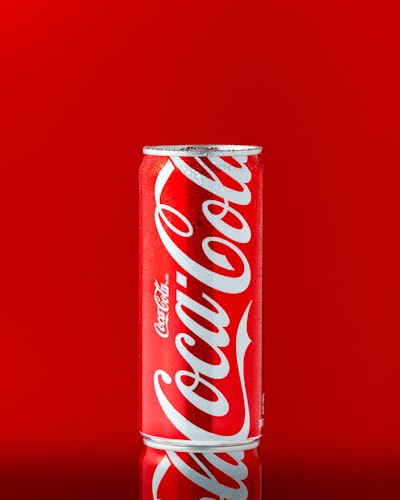
| Flagship Cola | Coca-Cola Classic | Pepsi |
| Diet Cola | Diet Coke | Diet Pepsi |
| Zero Sugar | Coke Zero Sugar | Pepsi Zero Sugar |
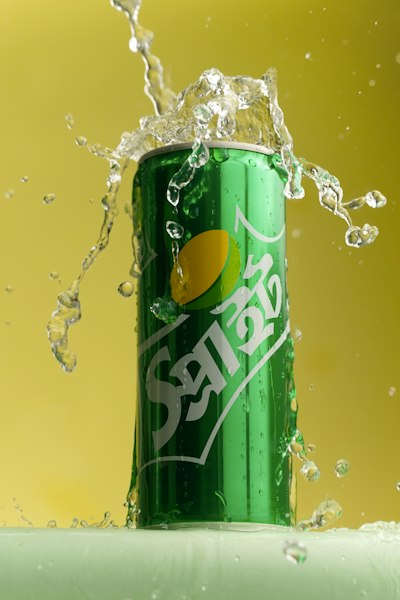
| Lemon-Lime | Sprite | Starry (fmr. Sierra Mist) |
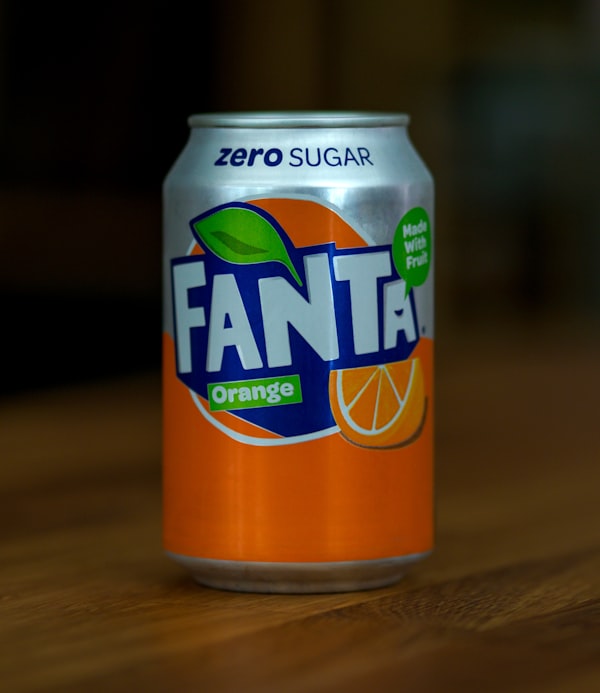
| Citrus | Fanta Orange | Mountain Dew |
| Root Beer | Barq's Root Beer | Mug Root Beer |
| Lemonade | Minute Maid Lemonade | Tropicana Lemonade |
| Sports Drink | Powerade | Gatorade |
| Iced Tea | Gold Peak Tea | Brisk Iced Tea |
| Citrus Soda | Mello Yello | Mountain Dew (assorted) |
| Kids / Juice | Hi-C Orange Lavaburst | SoBe |
| Dr Pepper* | Independent — distributed by both | |
Foundation of every pour
3-4 volumes CO₂ pressure
Cherry, vanilla, grape, peach…
#1 fountain add-on since 1920s
70%+ US fountain market. Distribution infrastructure, exclusive chain contracts, and the Freestyle ecosystem that locks in restaurants with 200+ flavors from a single footprint.
Yum! Brands (Taco Bell, KFC, Pizza Hut) guarantees fountain placement. Mountain Dew's cult following gives PepsiCo a strong presence in the fast-casual segment.
Touchscreens, micro-dosing cartridges, and AI — how the modern fountain became a data-driven flavor laboratory.
2009 · 200+ flavors · 50,000+ machines
Using micro-dosing technology from the medical industry, Freestyle mixes concentrated flavor shots with carbonated water in real-time. A single machine replaces rows of traditional dispensers.
RFID cartridge tracking, app connectivity, and a massive data pipeline. Over 1 billion data points per year drive new product development — Cherry Sprite was born from Freestyle data.
2012 · ~60 flavors · Limited deployment
Similar touchscreen concept but significantly fewer combinations. Mountain Dew variations proved most popular. The gap in machine count and flavor variety remains Coca-Cola's advantage.
Water line feeds the machine. CO₂ injection creates sparkling water on demand.
Concentrated cartridges — far smaller than syrup bags — last thousands of servings.
Medical-grade pumps inject precise flavor amounts for hundreds of combos.
RFID tracks inventory. Touchscreen or app selects — data streams to HQ.
Exclusive fountain contracts are worth billions. Here's who serves what — and why the allegiances run deep.
60% of all fountain drinks served here
Free refills keep customers coming back
Freestyle machines as a selling point
PepsiCo owned Taco Bell, KFC, and Pizza Hut until 1997 when it spun them off into Tricon Global (later Yum! Brands). Despite the separation, fountain contracts remained. The historic relationship — and the enormous combined footprint — gives Pepsi a guaranteed floor of market presence.
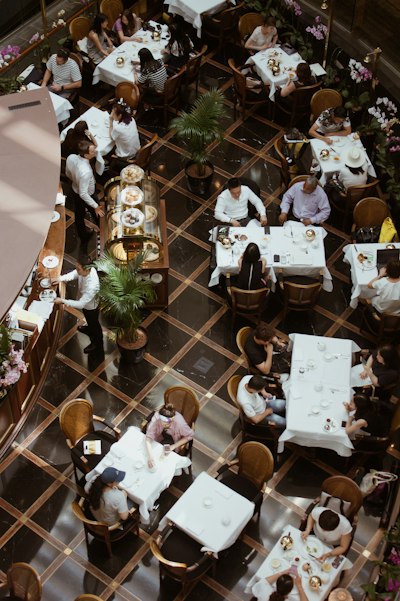
Before drive-throughs and vending machines, the soda fountain was America's living room.
From the 1900s through the 1960s, the drugstore soda fountain was where America happened. Teenagers went on first dates. Businessmen closed deals over phosphates. Communities gathered after church. It was the original third place, decades before Starbucks coined the term.
Behind the marble counter stood the "soda jerk" — named for the jerking motion of pulling the draft arm. These were skilled artisans who knew how to mix phosphates, build egg creams, and create the perfect ice cream soda.
Cherry Coke wasn't invented in a laboratory. It was born at the fountain, where soda jerks would add cherry syrup to Coca-Cola at a customer's request.
Fountain counter staple since the 1920s
Where dessert met carbonation
The aesthetic that defined an era
Bottled and canned sodas made the drink portable. Supermarkets made them cheap. Fast-food chains made them fast. By the 1970s, the drugstore fountain was a memory. The fountain drink survived. The culture didn't.
Six charts that tell the story of fountain soda's evolution.
Coca-Cola vs PepsiCo — US fountain market, 1980–2024
Cumulative installations worldwide, 2009–2024
Top 8 flavor combinations by selection frequency
Major US chain fountain partnerships — Coke vs Pepsi
Average fast-food price vs. production cost by decade
Traditional vs Freestyle vs Spire — available options
Three long-form explorations into fountain soda's most fascinating stories.
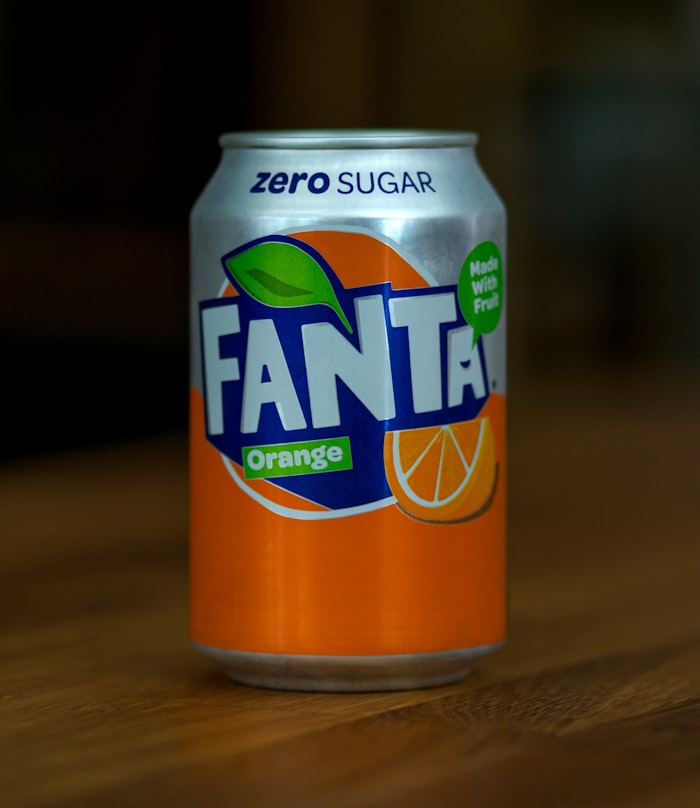
Real science — and a special corporate relationship — behind that unmistakable taste.
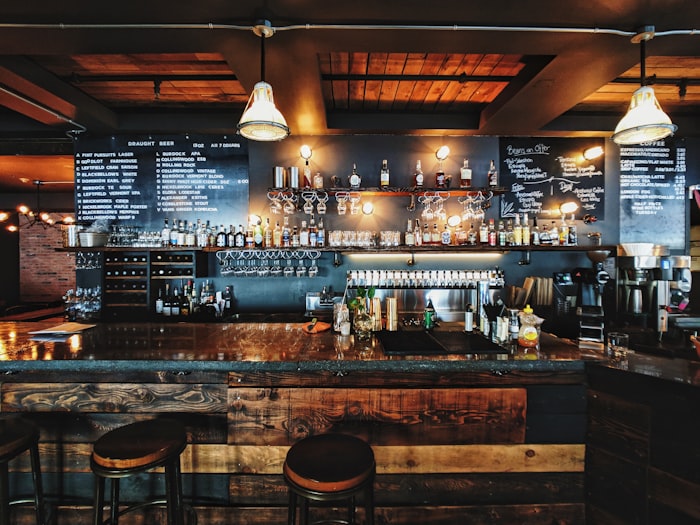
The rise and fall of the drugstore counter — and what we lost.
Every pour is a data point. Inside the billion-dollar intelligence engine.
If you've ever thought the Coca-Cola at McDonald's tastes noticeably better, you're not imagining things. There are at least four concrete reasons — all tracing back to a uniquely close 70-year relationship.
The Water Filtration System. McDonald's invests in advanced filtration specifically designed to make Coca-Cola taste its best — beyond what most restaurants bother with.
Pre-Chilled Syrup. Most restaurants store syrup at room temperature. McDonald's keeps theirs in refrigerated stainless steel tanks. The syrup travels through insulated tubing with secondary refrigeration. CO₂ stays dissolved better in cold liquid — fizzier, crisper.
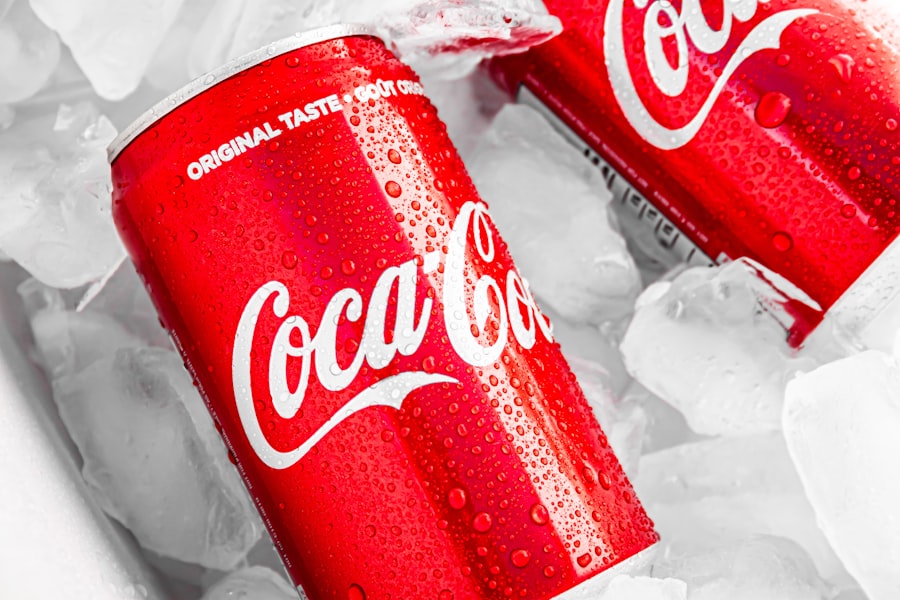
Stainless Steel Containers. Most restaurants get syrup in plastic bags. McDonald's gets stainless steel tanks — preserving freshness, preventing flavor contamination.
The Wider Straw. Slightly wider than standard, allowing more liquid to hit taste buds simultaneously. Not an accident.
The Syrup Ratio. Calibrated to account for ice melt. Starts slightly sweeter so halfway through, the ratio is exactly right.
In 1950: over 120,000 soda fountains in the US. By 1970: fewer than 5,000. An entire institution vanished in a single generation.
The Rise. Soda fountains emerged as pharmacy fixtures in the early 1800s. By the 1880s, ornate marble counters with brass fittings became status symbols. The soda jerk — part chemist, part showman — became an iconic American figure.
The Fall. Three forces: bottled sodas made the experience replicable at home. Suburban migration emptied Main Streets. Fast-food chains industrialized the fountain drink — serving it faster and cheaper, but stripping everything that made it special.
What America lost wasn't just a way to buy soda. It was a way to be together.
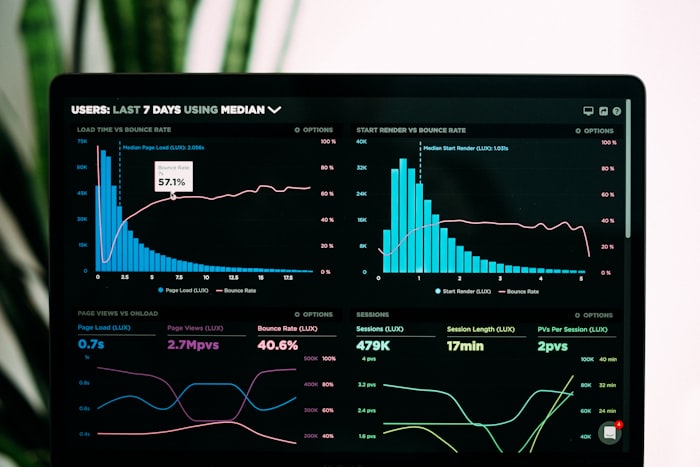
Every Freestyle tap is a data point — feeding one of the largest consumer preference databases in food & beverage. Over one billion data points per year.
What They Collect. Which flavors, what combos, what time, what location, how selections change over time. App connectivity makes it richer — demographics, repeat patterns, individual flavor histories.
How They Use It. Cherry Sprite: launched after millions chose Sprite + Cherry on Freestyle. The data also informs placement strategy, pricing, marketing, and even the touchscreen UI layout.
The Moat. With 50,000+ machines, Coca-Cola has a real-time research network Pepsi can't match. Every installation is a data sensor feeding the next generation of products.
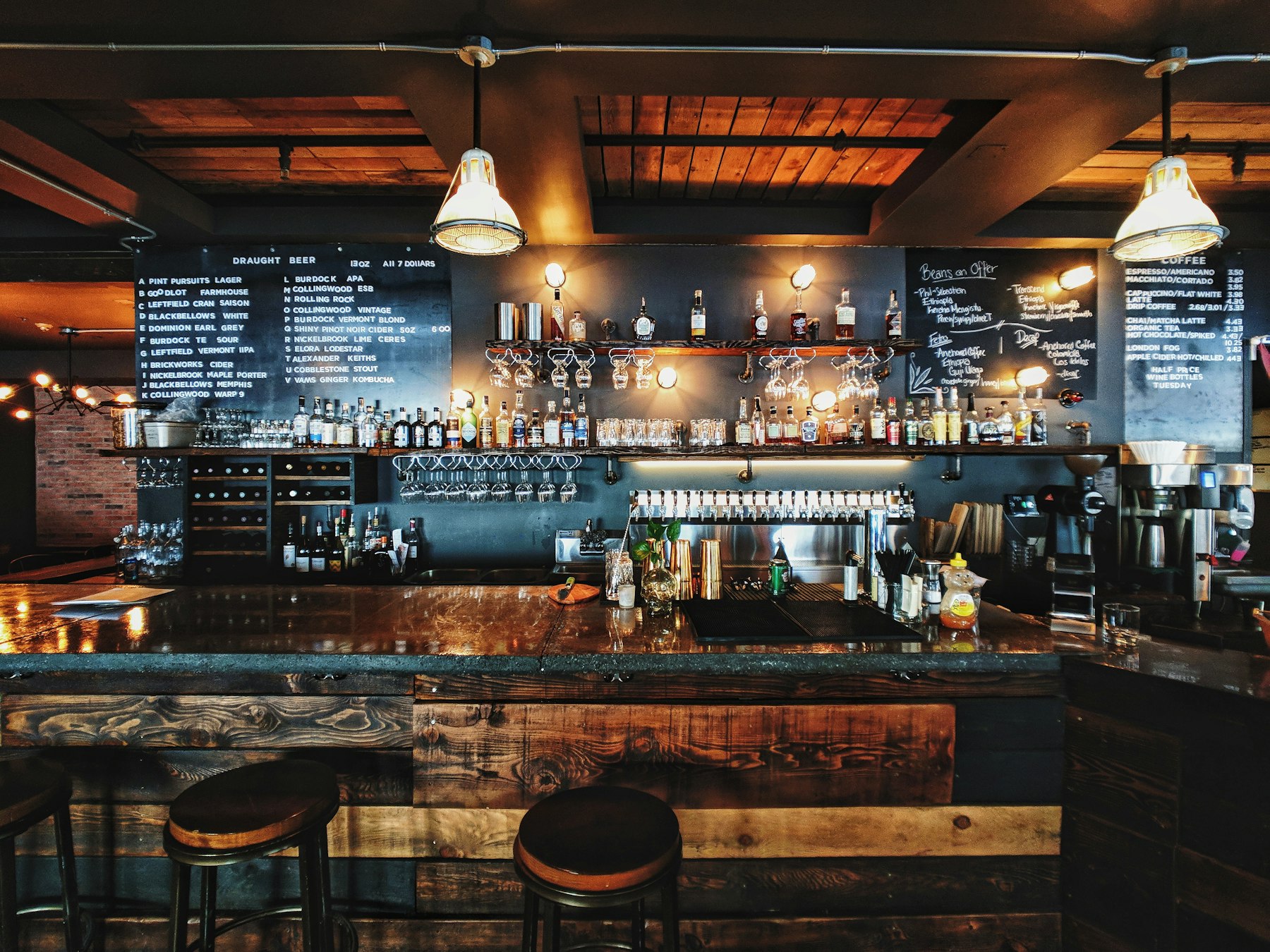
A visual tour through the world of fountain soda — from vintage diners to neon-lit machines. Click any image to enlarge.