The Flavors Encyclopedia

Total Flavors by Brand
Limited Edition vs Permanent
Discontinuation Rate
Flavor Profile Distribution
Spicy / Heat
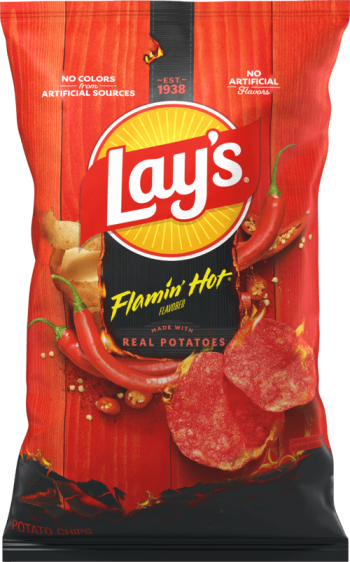
The dominant trend across all brands. Flamin' Hot is now its own brand with 25+ products. 62% of Gen Z actively seeks spicy snacks. Nearly every brand has a hot variant: Lay's Flamin' Hot, Pringles Scorchin', Mountain Dew Flamin' Hot (yes, really), and even spicy Oreos in international markets.
International / Fusion
Global flavors are surging. Lay's Thai Red Curry, Pringles Tikka Masala, Kit Kat Matcha, Mountain Dew Baja Blast. Brands now launch "World Flavors" lines that rotate through cuisines. Japan's Kit Kat program (300+ flavors) pioneered this approach decades ago.
Sweet + Savory Mashups
Boundaries between snack categories are dissolving. Lay's Wavy Milk Chocolate, birthday cake and s'mores Oreos, Pringles Cinnamon Sugar Mingles, maple-flavored everything. The "swicy" (sweet + spicy) trend emerged as a major force in 2024.
Nostalgia & Regional
Brands increasingly tap nostalgia with retro flavors and regional exclusives. Mountain Dew's franchise exclusives (Baja Blast at Taco Bell), regional Kit Kats for Japan's 47 prefectures, and Lay's "Tastes of America" series all play this card effectively.
Clean Label & Better-for-You
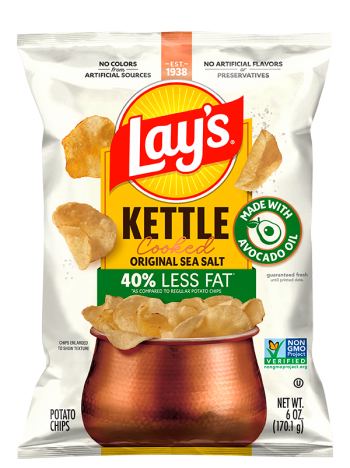
Lay's eliminated artificial flavors across all US products by end of 2025. Baked lines use olive oil. Pringles introduced "Harvest Blends" with sweet potato. Mountain Dew Zero Sugar variants now outsell some regular flavors. The industry is reformulating without sacrificing bold taste.
Mystery & Interactive
Consumer engagement through mystery flavors is proven: Mountain Dew Voo-Dew (annual mystery), Lay's "Do Us A Flavor" crowdsourcing contests, Oreo Mystery flavor editions. Brands use social media to build anticipation and let fans guess flavors before reveal.
The Chip Flavor Wars
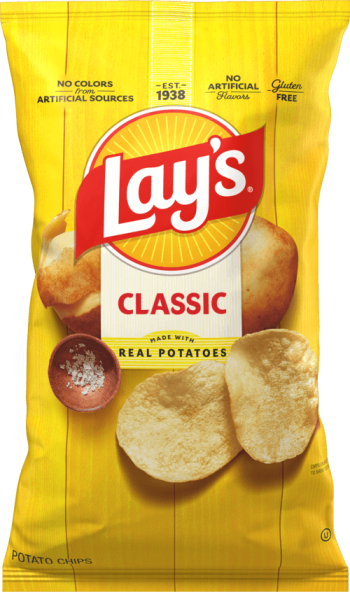
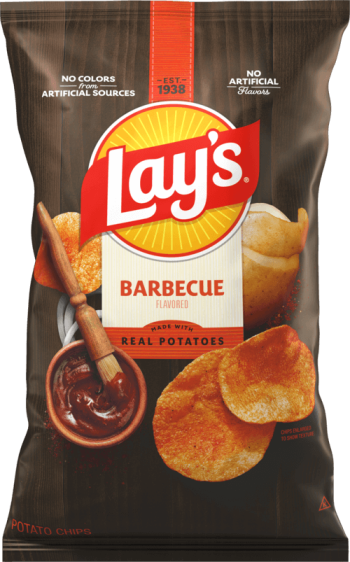
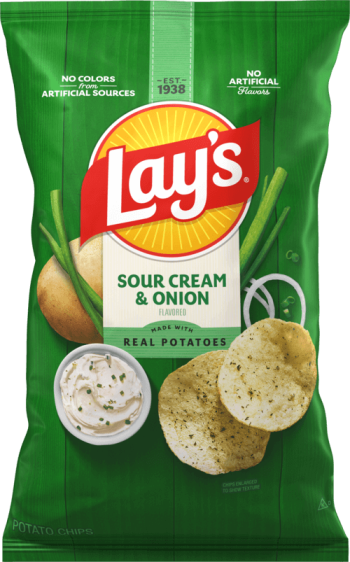
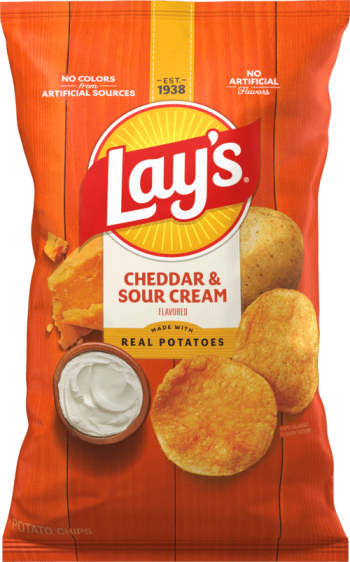
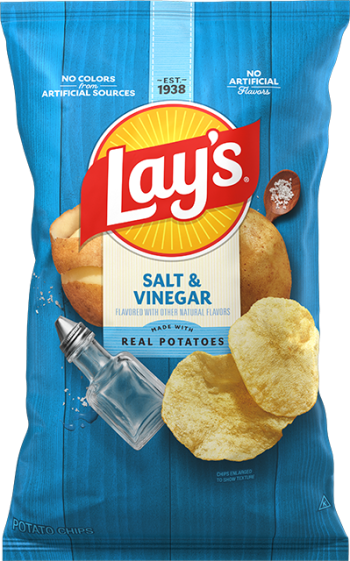
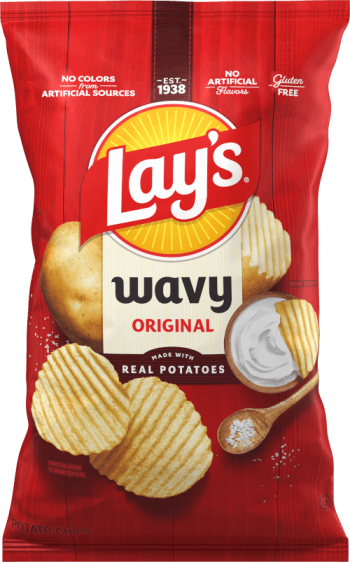
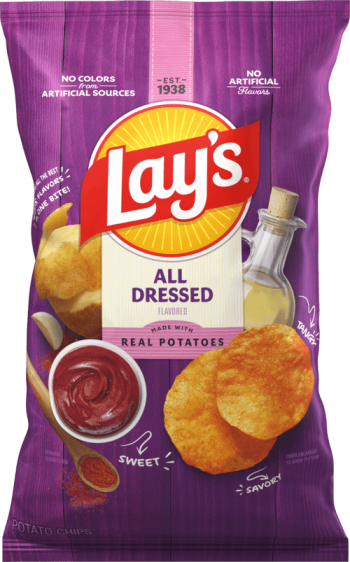
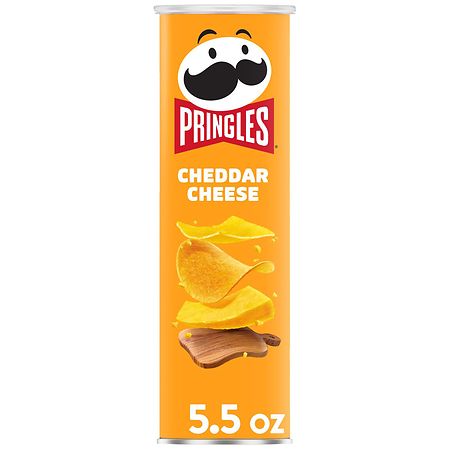
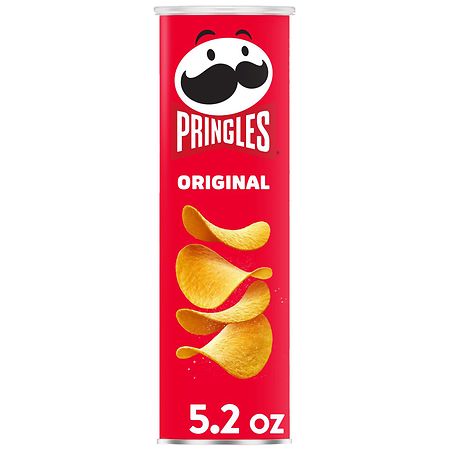
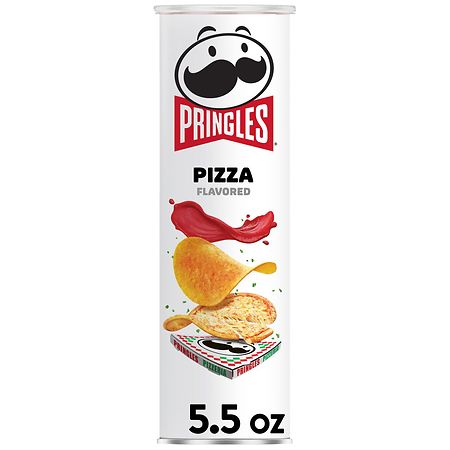
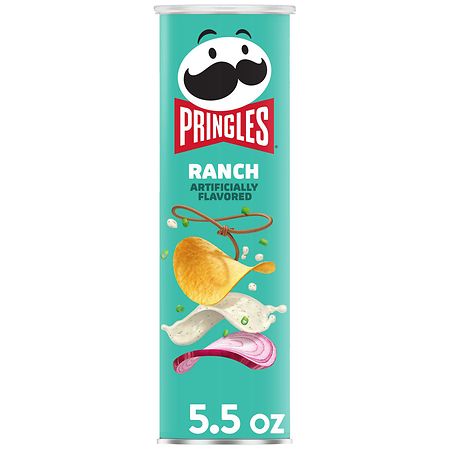
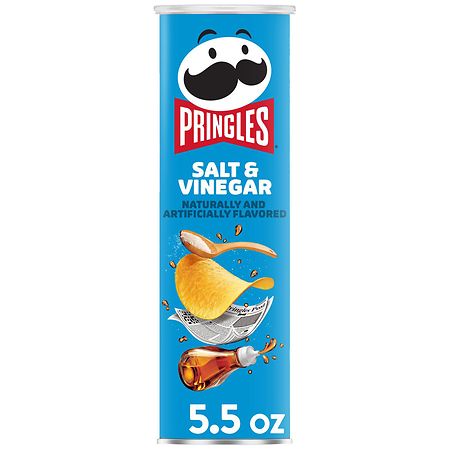
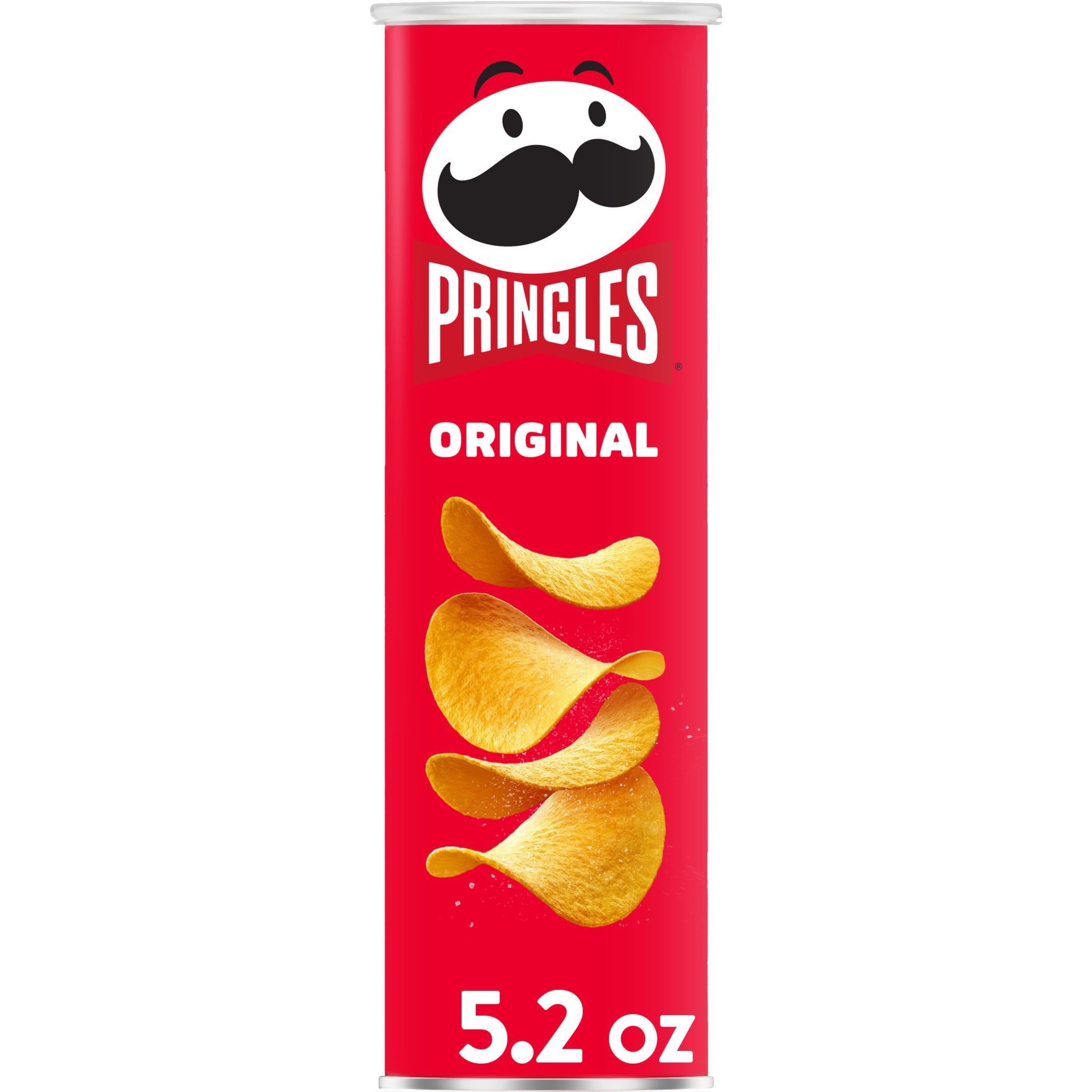
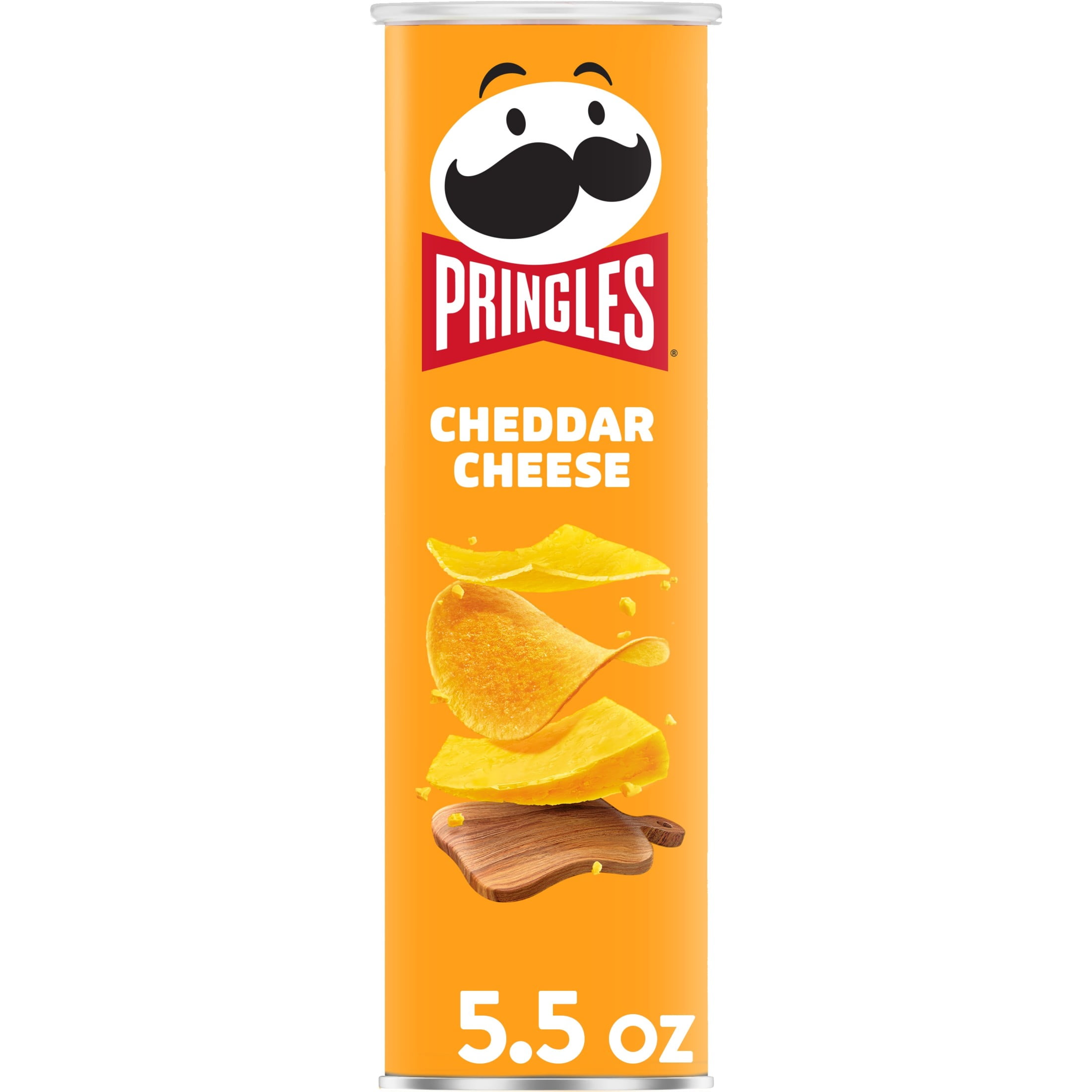
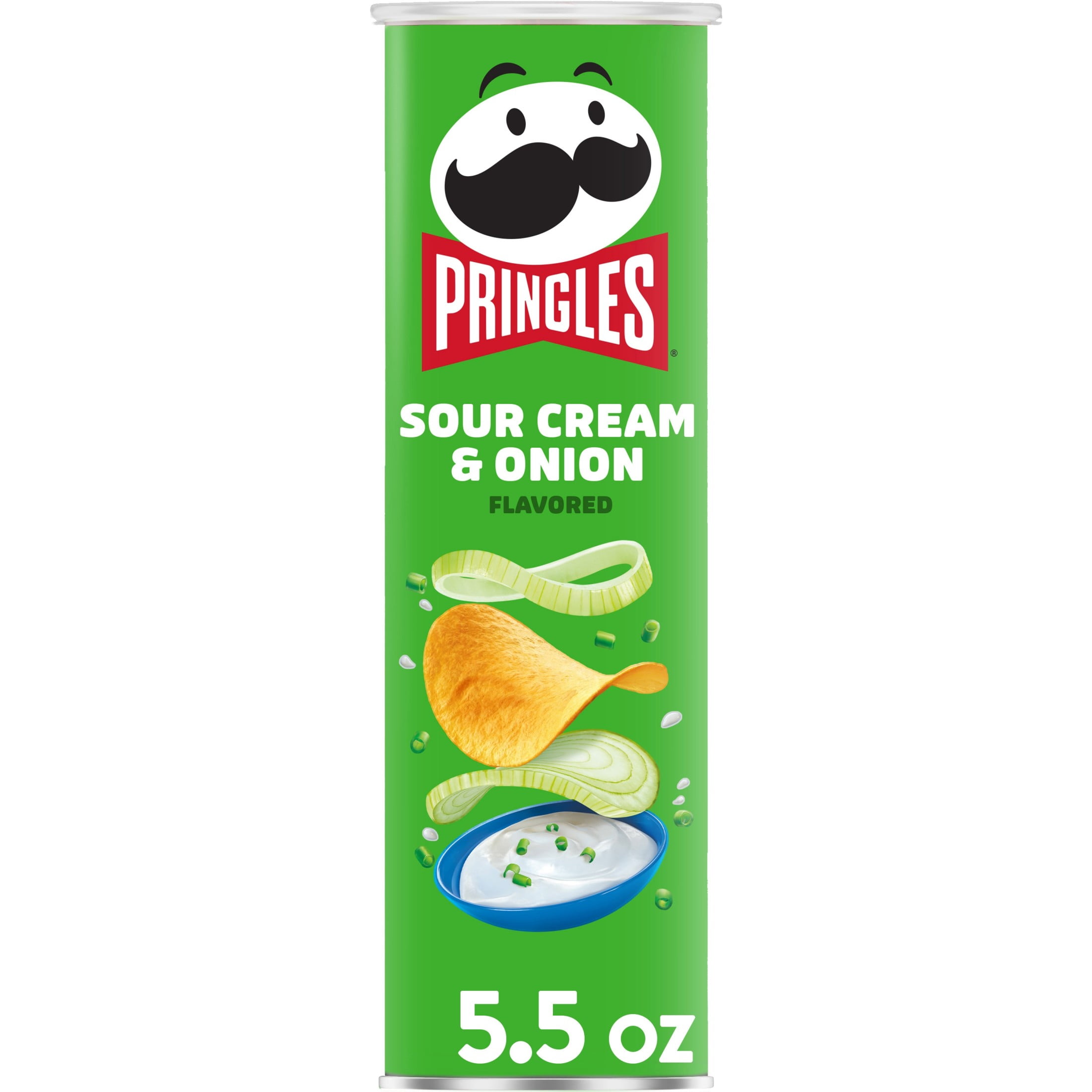
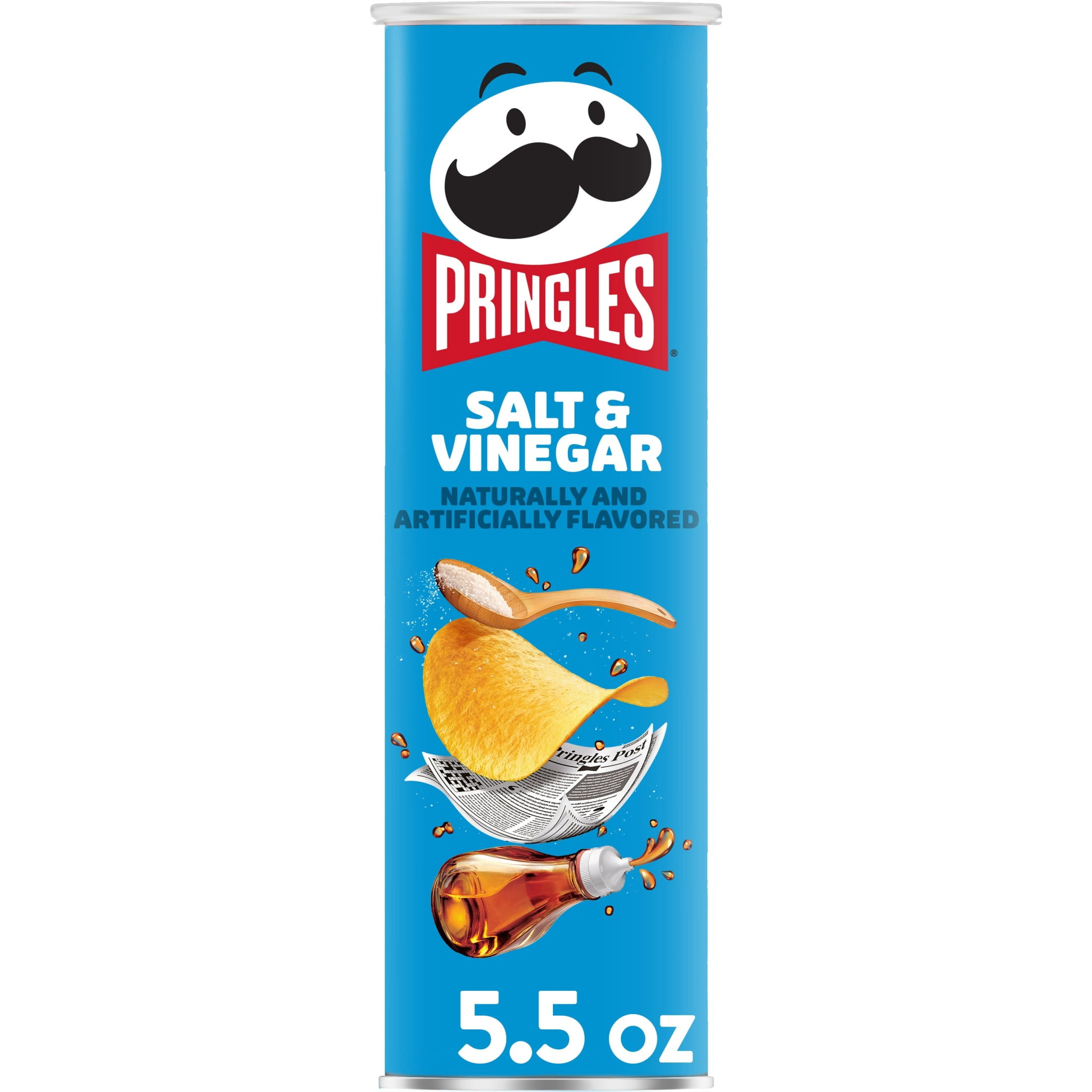
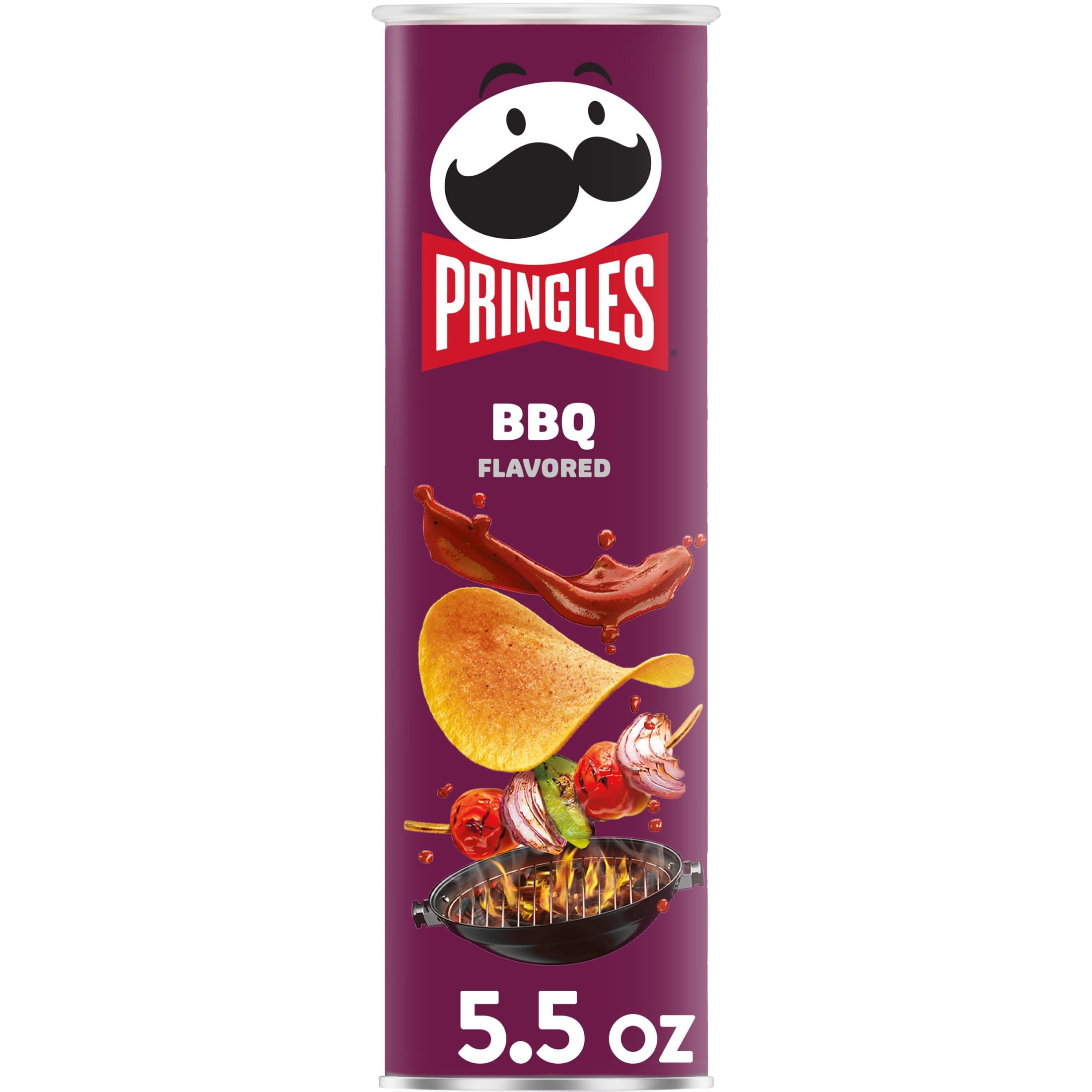
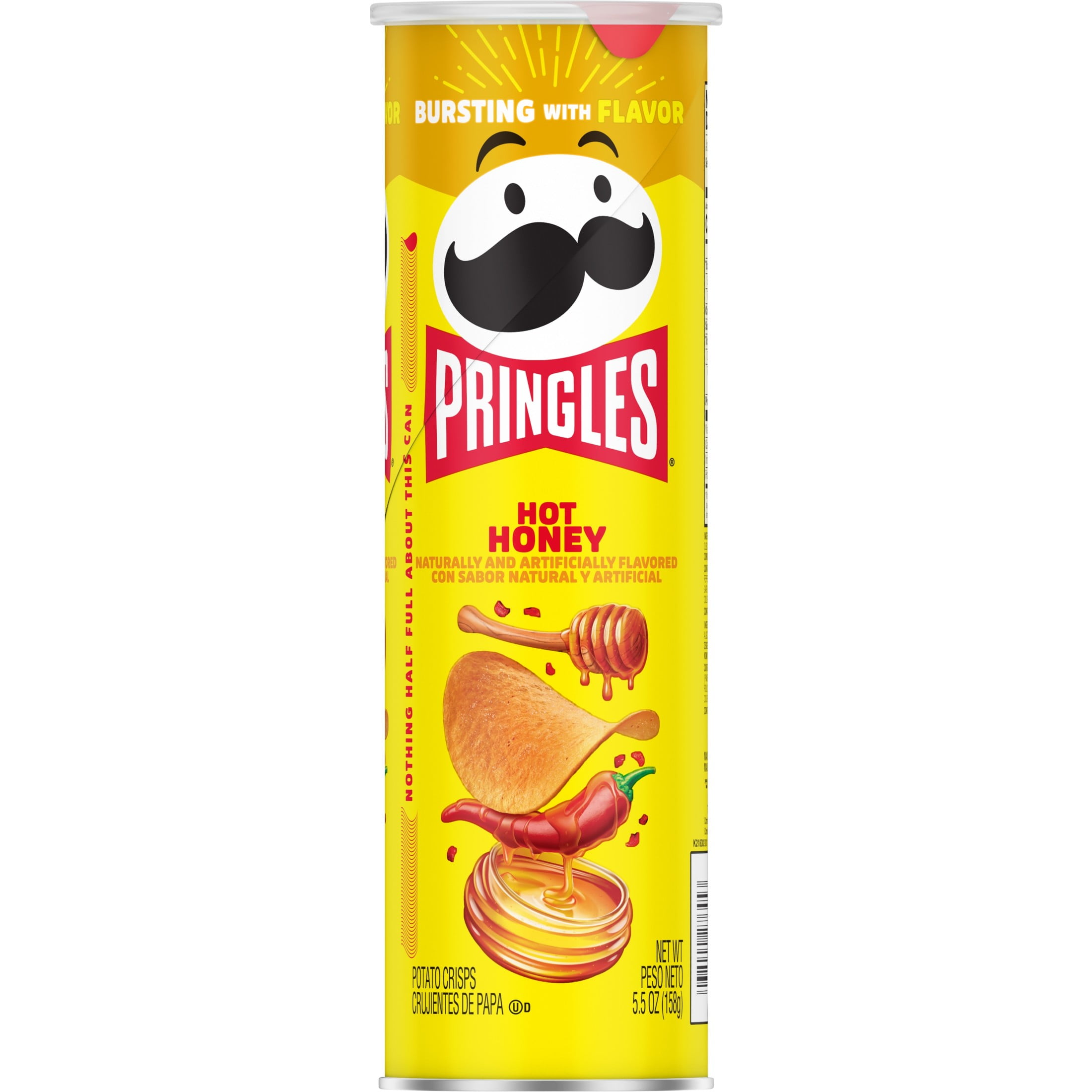
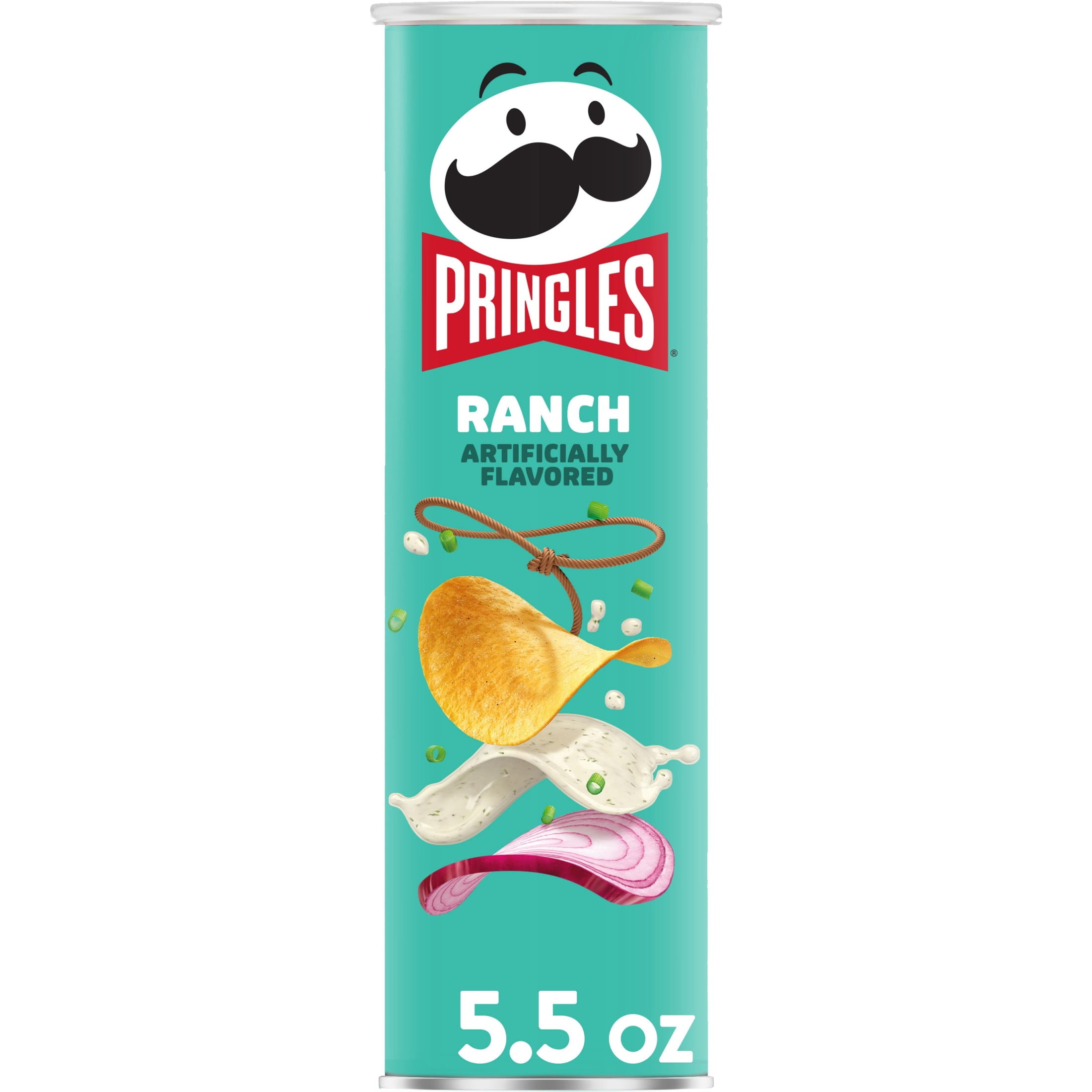
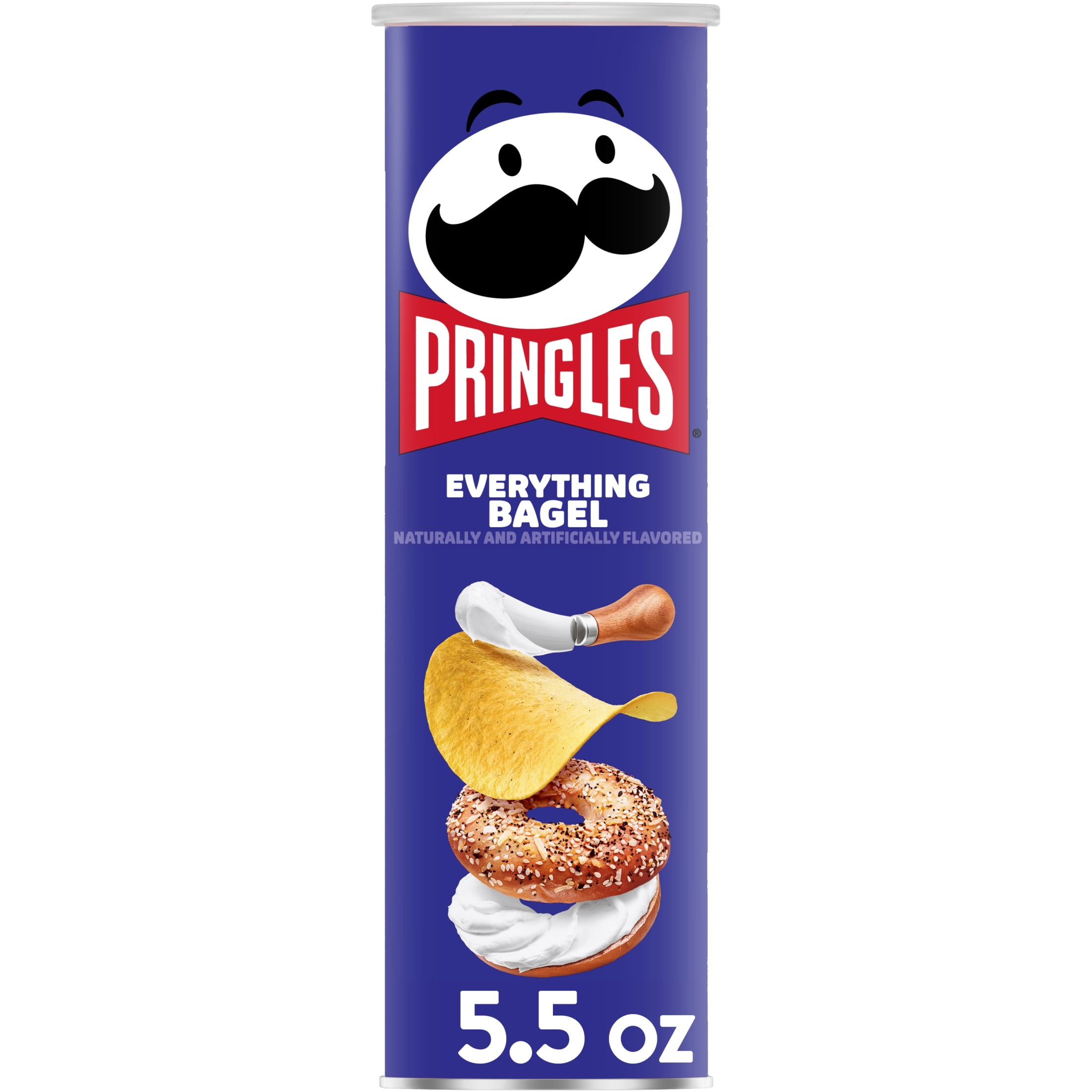
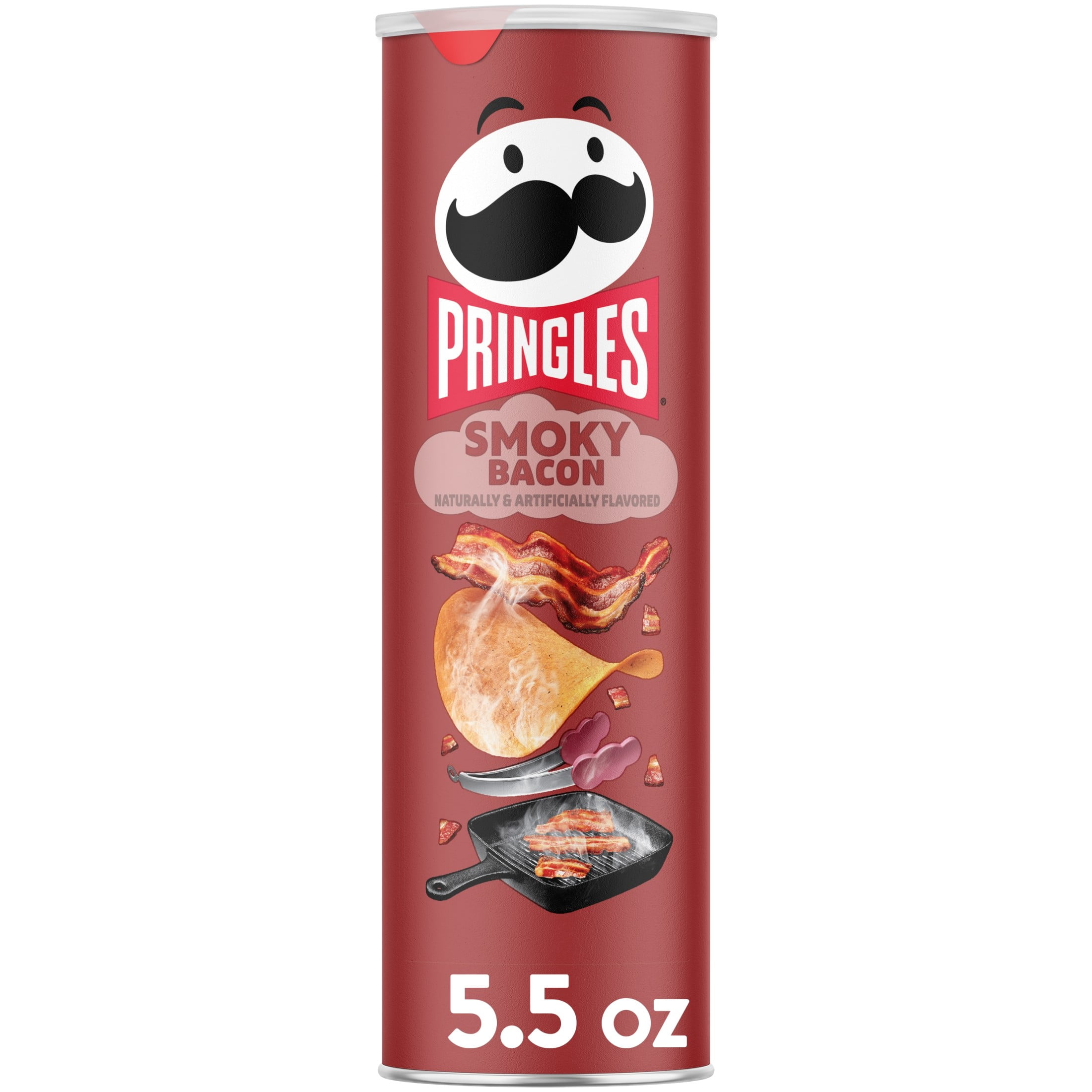
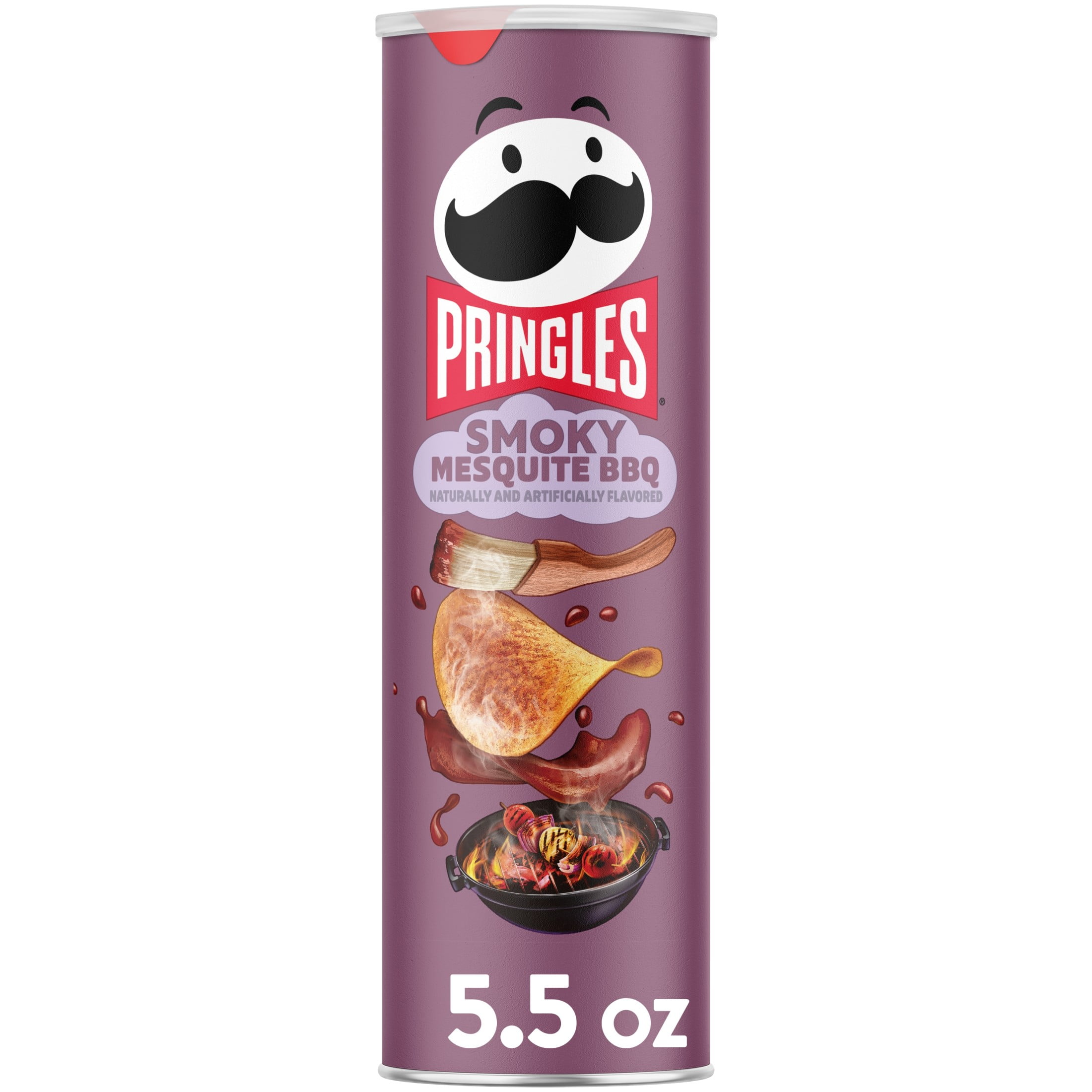
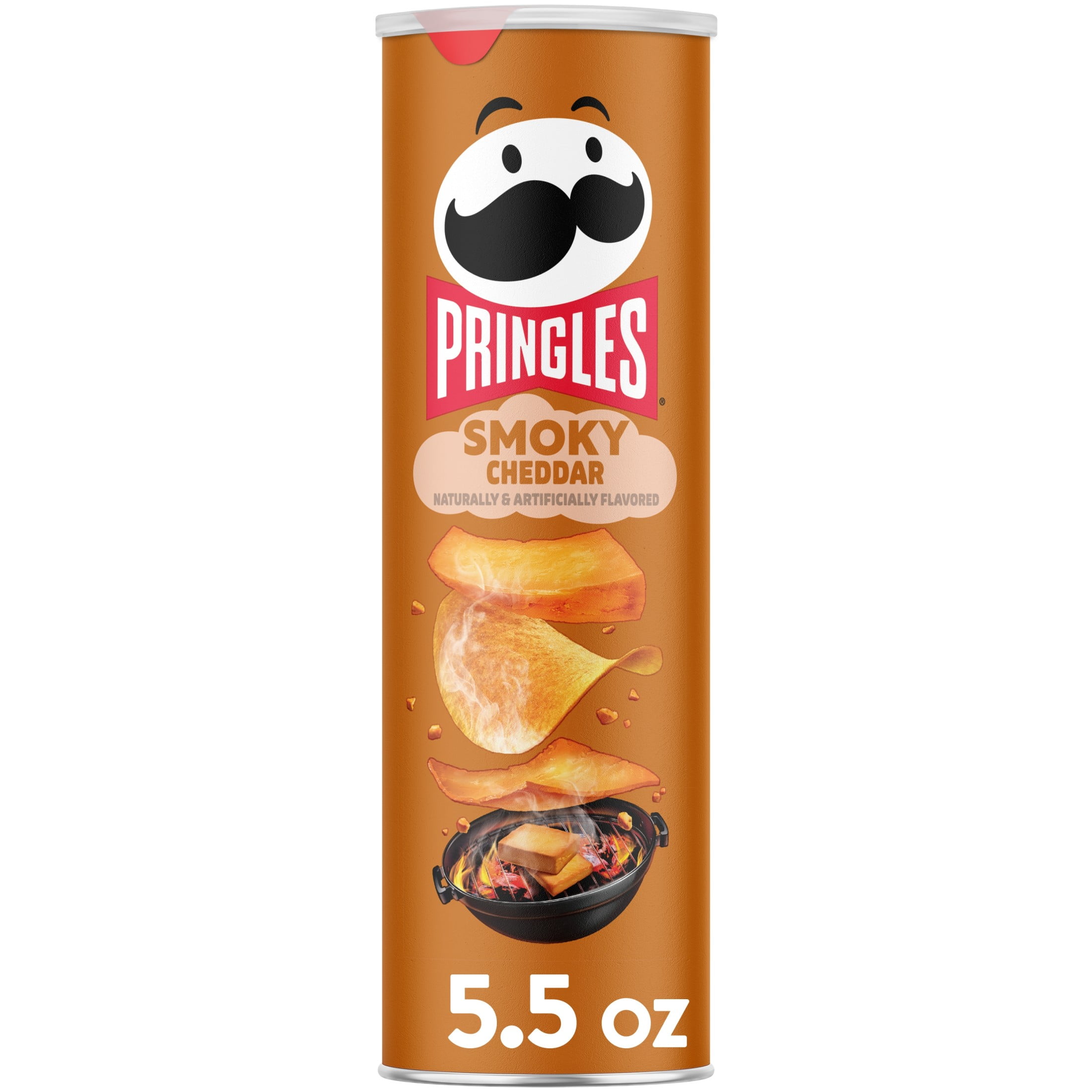
Lay's dominates with 80+ flavors in the US and hundreds internationally through its "Tastes of" regional programs, while Pringles focuses on a tighter roster of ~55 flavors but innovates through its stackable format with "Mingles" dual-flavor combinations. Lay's leads in limited editions (15+ per year) while Pringles leverages brand partnerships (Hot Ones, Wendy's). Both are investing heavily in the spicy category. Shared flavor overlap includes: BBQ, Sour Cream & Onion, Salt & Vinegar, Ranch, Cheddar, and Loaded Baked Potato.
Flavor Category Overlap
New Releases Per Year (2020-2025)
| Brand | Total Flavors (All Time) | Currently Active | Limited Editions | Discontinued | Founded |
|---|---|---|---|---|---|
| Lay's | 200+ | ~80 | 60+ | 70+ | 1938 |
| Oreo | 85+ | ~20 | 50+ | 30+ | 1912 |
| Pringles | 100+ | ~55 | 30+ | 25+ | 1968 |
| Mountain Dew | 80+ | ~15 | 40+ | 35+ | 1940 |
| Kit Kat (Japan) | 400+ | ~30 | 300+ | 250+ | 2000 |
| McNugget Sauces | 25+ | 6 | 12+ | 10+ | 1983 |








One Flavor for Every Prefecture
Nestle Japan created a unique Kit Kat for each of Japan's 47 prefectures, tied to local ingredients and cultural identity. These are sold primarily at airports, train stations, and regional souvenir shops. Examples: Hokkaido Melon (Hokkaido), Yubari Melon (Yubari), Shinshu Apple (Nagano), Uji Matcha (Kyoto), Momiji Manju Maple (Hiroshima), Citrus (Shikoku), Purple Sweet Potato (Okinawa), Wasabi (Shizuoka), Strawberry (Tochigi), and dozens more. The Kit Kat name sounds like "kitto katsu" in Japanese — "you will surely win" — making them popular good-luck gifts for students taking exams.


The Science of Flavor: How Snack Companies Engineer Taste in Labs
Behind every chip bag, cookie package, and soda bottle lies an invisible army of flavor scientists — chemists, psychologists, and sensory analysts who spend their careers deconstructing taste at the molecular level and rebuilding it from scratch. The snack food industry invests billions annually in flavor R&D, and the results are engineered with a precision that would surprise most consumers.
Inside Frito-Lay's Flavor Lab
Frito-Lay operates a massive research complex in Plano, Texas, where approximately 500 chemists, psychologists, and technicians work together to produce what they consider the perfect chip. The company spends upwards of $30 million annually on this facility alone. The space is part-kitchen, part-laboratory — blenders and mixing bowls sit next to beakers and gas chromatographs on the same counters.
One of the lab's most fascinating tools is a $40,000 device that simulates a chewing mouth, designed to discover the "perfect break point" — the exact amount of pressure at which a chip should snap to deliver maximum sensory satisfaction. Product development scientists measure five key dimensions for every chip: flavor palate, mouth feel, aroma, crunch, and visual appeal.
How Flavorists Work
A flavorist — sometimes called a flavor chemist — is a scientist who uses chemistry to produce different tastes. They begin by examining the chemical composition of the natural substance they want to recreate. Using gas chromatography and mass spectrometry, they identify the hundreds of volatile compounds that create a food's aroma and taste. For example, a fresh strawberry contains over 350 different chemical compounds that contribute to its flavor.
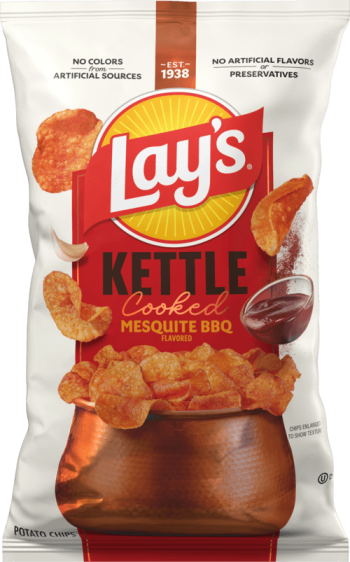
Once the molecular fingerprint is mapped, flavorists select and combine compounds that match the target profile. A single "BBQ flavor" seasoning might contain 40+ individual chemical ingredients, each contributing a specific note: maltol for caramelized sweetness, methional for roasted potato aroma, 2-acetylthiazole for toasted grain notes, and guaiacol for the smoky wood character.
Natural vs. Artificial: The Surprise
Here's what most people don't realize: natural and artificial flavorings are often made from identical chemicals. The molecule vanillin — the primary flavor compound in vanilla — has the same molecular structure whether it's extracted from a vanilla bean (labeled "natural flavor") or synthesized from wood pulp or petrochemicals (labeled "artificial flavor"). Your taste buds literally cannot tell the difference.
The reason artificial flavors exist isn't sinister — it's practical. There aren't enough vanilla beans grown annually to meet global demand for vanilla flavoring. Many popular flavors, from passion fruit to pumpkin spice, rely on natural materials that aren't agriculturally scalable. Artificial synthesis allows consistent, affordable production of flavors that would otherwise be rare luxuries.
The Maillard Reaction: Flavor's Secret Weapon
The Maillard reaction — the chemical process that occurs when amino acids and sugars are heated together — is responsible for the distinctive flavors of toasted bread, seared steak, roasted coffee, and yes, BBQ potato chips. It produces hundreds of different flavor compounds simultaneously, which is why "roasted" or "toasted" foods taste so complex. Snack food scientists manipulate Maillard reaction products (called "process flavors") to create depth in seasonings that would otherwise taste flat and one-dimensional.
The Role of AI in Modern Flavor Development
The frontier of flavor science is now algorithmic. Machine learning systems can analyze chemical compound databases alongside consumer taste preference data, identifying hidden correlations and predicting which flavor profiles will succeed. These AI systems can simulate ingredient interactions before a single gram of seasoning is mixed, dramatically reducing the traditional trial-and-error development cycle. Some companies report cutting flavor development time from 18 months to 6 months using AI-assisted formulation.
The Consumer Testing Gauntlet
Even after the lab work is complete, a new flavor faces a brutal testing process. Frito-Lay stores new formulations in what they call a "flavor vault" — a repository of thousands of ideas accessible to R&D teams globally. Prototypes that survive internal review travel to cities across the country for blind taste tests with hundreds of consumers. Scientists analyze the responses and return to the labs for adjustments. A single flavor can go through 50 or more rounds of refinement before it ever reaches store shelves.
The result of all this science? When you taste a Lay's BBQ chip and think "that tastes like BBQ," you're experiencing the output of decades of chemical research, millions of dollars in equipment, and hundreds of human hours of testing — all compressed into a single moment of flavor on your tongue.
1n2.org / flavors — The Flavors Encyclopedia
500+ flavors, 6 brands, 5 articles. Data sourced from official brand sites, Wikipedia, fan wikis, and food industry publications.