What @djbooth007 built in a weekend that @twitter couldn't: March 5, 2018
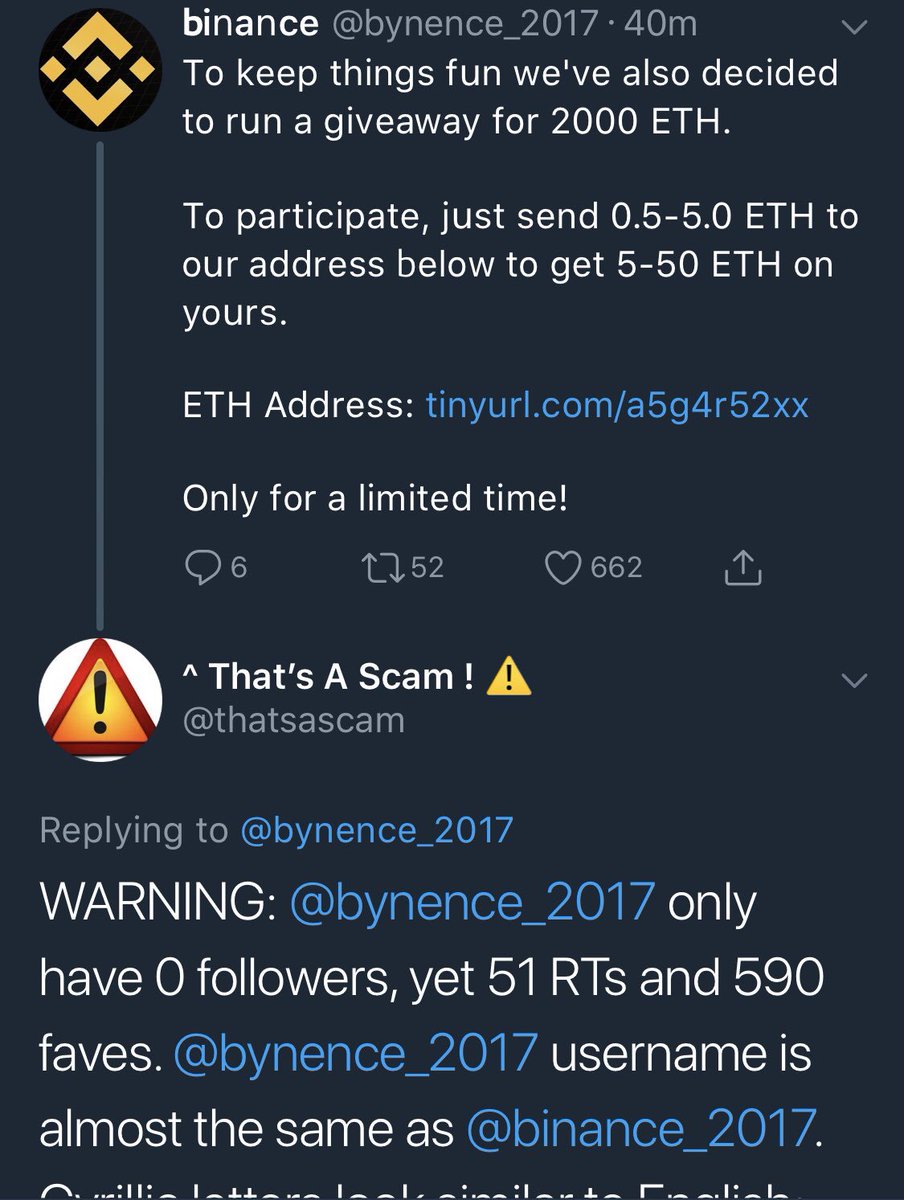
March 5, 2018. Crypto Twitter was in the middle of its worst impersonation-scam epidemic. Verified-looking accounts impersonating Elon Musk, Vitalik Buterin, and major exchanges were running coordinated "send X get 10X back" scams with stolen profile photos. Twitter's response had been slow and inadequate. Then a developer named @djbooth007 built something over a weekend, and MadBitcoins called out the platform's failure directly.
The tweet is a public dare to Jack Dorsey, then Twitter's CEO. The structure is praise-as-critique: by celebrating an independent developer's weekend project as superior to anything Twitter had shipped, Hunt was naming Twitter's failure. The 425/107 engagement is high — and tellingly, the retweets are a larger share of total engagement than usual, suggesting the audience wanted Jack to see it.
The impersonation epidemic
The early 2018 crypto-impersonation scam epidemic worked by exploiting Twitter's verification ambiguity. Scammers would create accounts with display names matching prominent crypto figures, use the original's profile photo, and reply to that figure's tweets with offers to "double" any Bitcoin or ETH sent to a wallet address. A surprising number of users — including some who should have known better — fell for the trick. The scams operated in plain sight, often replying within minutes of an original Vitalik or Musk tweet, faster than Twitter's moderation could respond.
The community-built solutions, including the one @djbooth007 shipped, used pattern matching on tweet content (suspicious wallet addresses, scam-template language) to flag scams in near-real-time. They worked because they could be opinionated in ways Twitter's general-purpose moderation couldn't be. Twitter's solution to the same problem, when it finally arrived, was slower, less effective, and rolled out in increments over months.
Why this tweet hit different
Most crypto Twitter complaints about platform failure were complaints. Hunt's tweet was structured as praise — for the independent developer who had solved the problem. The negative space was the actual critique of Twitter and Jack. This framing made the tweet harder to dismiss. Jack couldn't reasonably ignore positive coverage of an independent developer; engaging meant either acknowledging the platform's failure or appearing dismissive of community-built solutions.
This is a signature @MadBitcoins move: critique by elevation. The breakout-era "we are more like our fellow bitcoiners than anyone else" peacemaker tweet works the same way — affirm the bigger frame, let the implied critique do its work. Hunt had been using this structure for years. The djbooth-vs-jack tweet is one of the cleanest 2018 examples.
The longer-term framing
The tweet also captured something that crypto Twitter, broadly, was learning in 2018: platform incentives did not include protecting crypto users. Twitter was not built to defend Bitcoin holders from sophisticated scams. The platform's interests — engagement, growth, ad revenue — did not align with the community's interest in scam prevention. Independent developers and community-built tools were the actual line of defense.
That recognition would influence the next several years of crypto Twitter behavior. The DeFi explosion of 2020-2021 happened on a platform crypto Twitter had stopped trusting. The migration toward Telegram, Discord, and eventually Farcaster was downstream of the realization that Twitter was structurally a hostile environment. Hunt's March 5, 2018 tweet to Jack is part of the public record of that recognition forming. By late 2022, when Elon Musk bought Twitter, the crypto community's relationship with the platform was already deeply transactional. The trust had been damaged years earlier.
This article is part of a deep-dive series on the @MadBitcoins Twitter archive — 91,295 tweets across 13 years. See all articles → or read the Curio + WCN Co-Host era overview.